Project 808 Design District
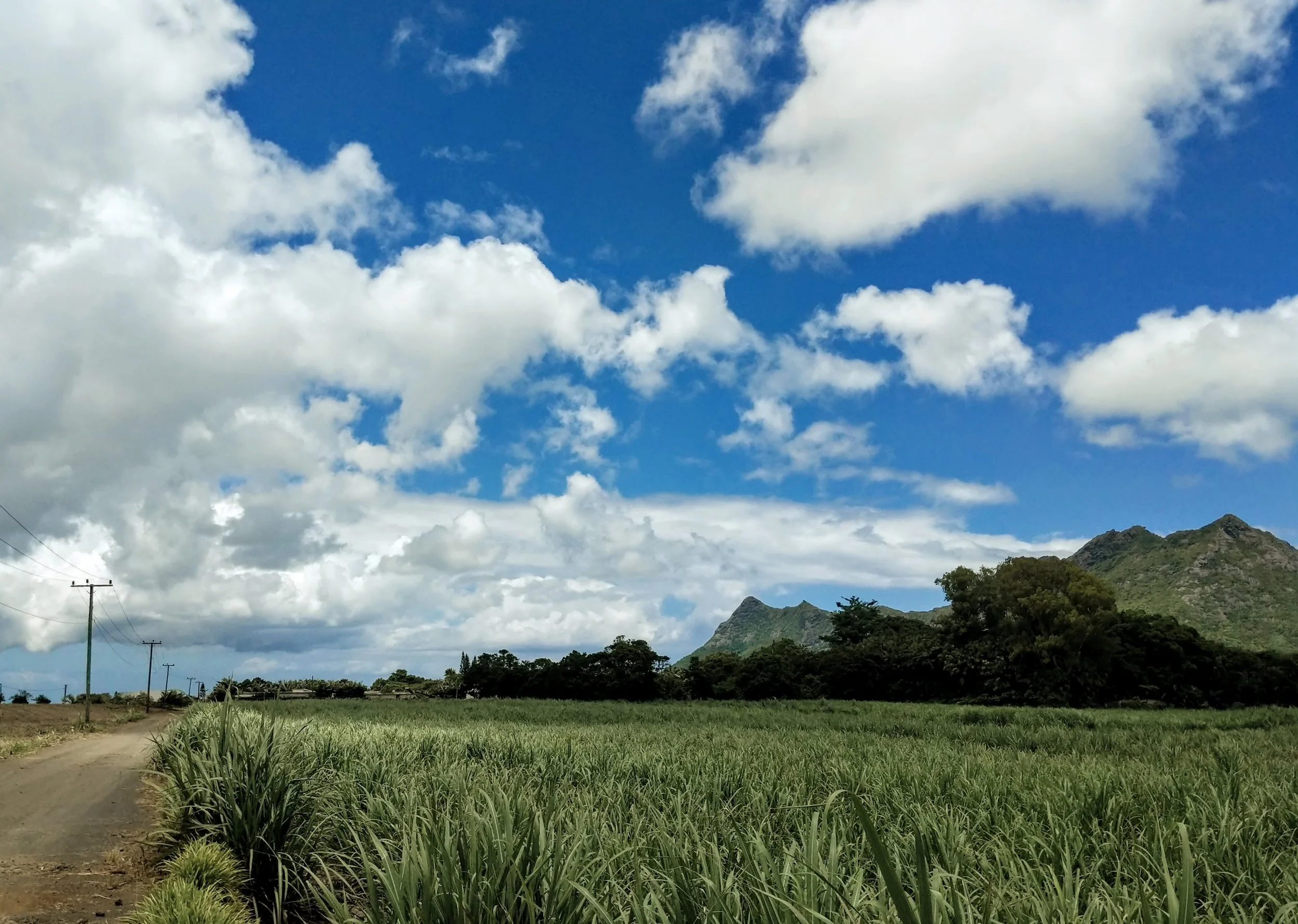
Project 808 was designed for Moka Smart City, a real estate development at the foot of a well-loved local mountain range.
The project was driven by the desire for unforced sociability and a place that would feel settled from the outset. Key to achieve this vision was an engaging architecture that enabled a kinetic experience of the surrounding mountains, reminiscent of the traditional “Mauritian grid” found in the old towns and agricultural fields across the island.
The design also contained vernacular spatial typologies commonly used within domestic settings (such as the veranda) that were adapted to perform as public spaces and accommodate larger numbers of people. My role was to calculate the ideal visitor footfall that would bring the site to life without overcrowding it and the mobility strategies that would help achieve the targets for the feel of the place.
Location
Moka, Mauritius
Client
Team
Eric Chavoix Architects (Lead Architects)
Move for Art (Cultural placemakers)
Services
Modelling
Flow/ Space balancing
Catchment analysis
Placemaking consulting
Area
2 ha
People count
6,000 visitors a day
“Entre les doigts d’une main”
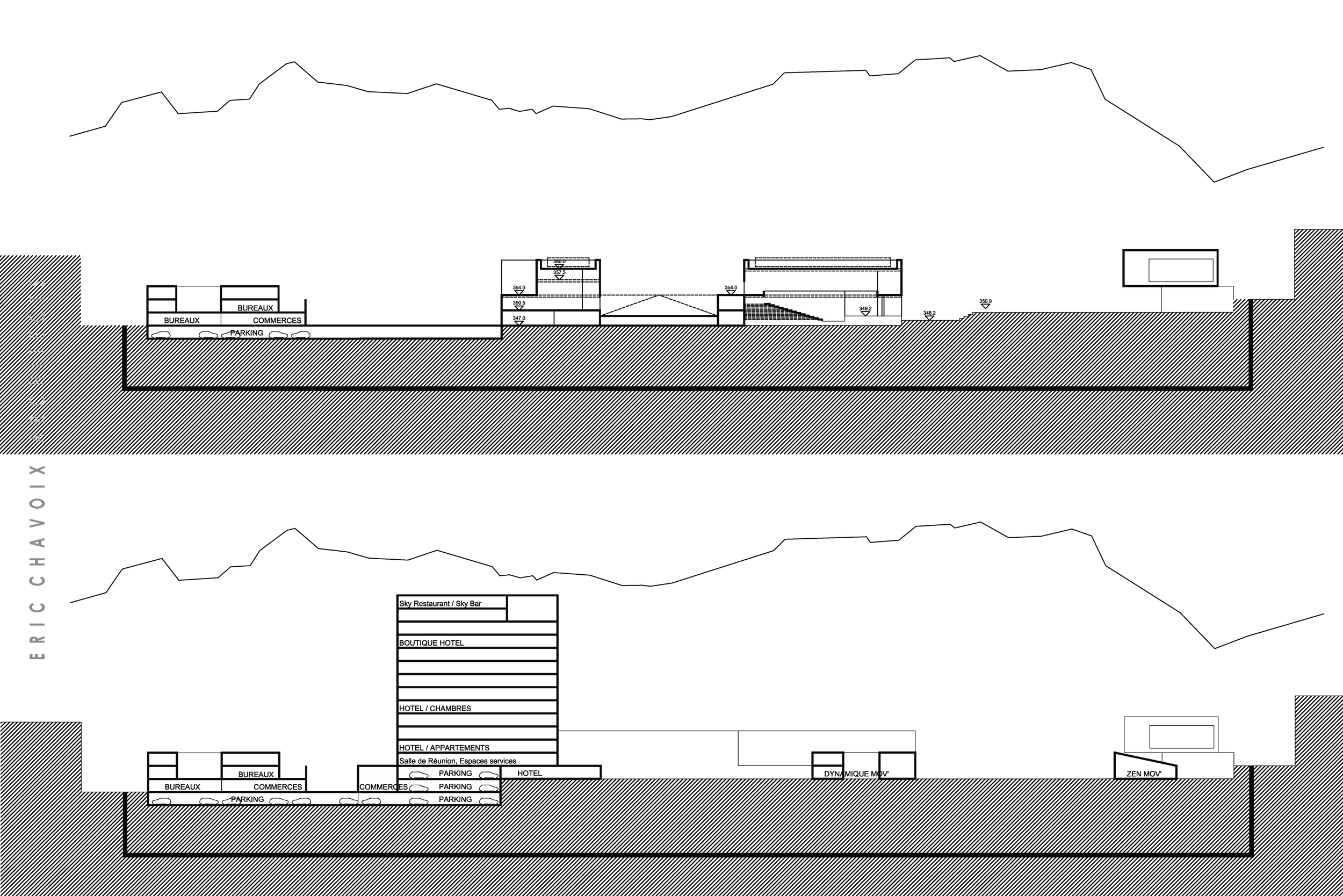
Project 808 was conceived as a “Business and Culture hub”, a design district ahead of its time. It was designed to foster creativity, sociality and wellbeing through movement and a deep connection to place. Indoor and outdoor spaces consisting of art galleries, co-working areas, dance and movement studios, an auditorium and a business hotel, among others, were arranged to spill out onto common spaces that offered spectacular views onto the surrounding mountains. The “Mauritian grid” was laid out so individual peaks from the mountain range would be seen “entre les doigts d’une main”; the gaps between buildings would function as the gaps between the fingers of a hand, framing permutations of mountain views. To enhance further the feeling of familiarity, the architect also adapted domestic space typologies to suit a public setting.
In order to deliver on its vision, a programme of events was developed alongside the architectural concept to help the client team build a full understanding of how this site could be operated as the Smart City grew around it.
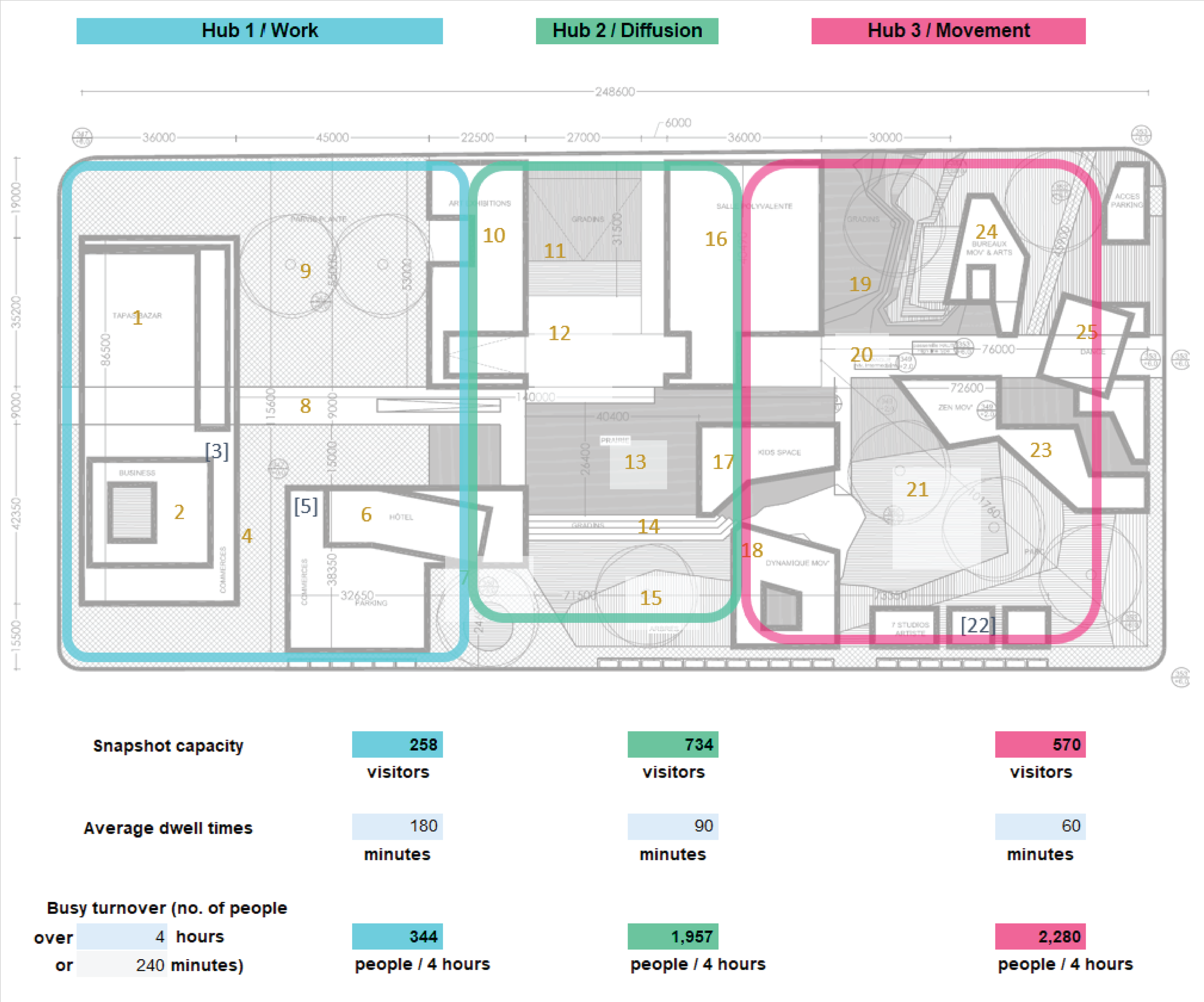
The aspirations for a dynamic, creative, and friendly place were translated into a set of heuristics that guided the choice for comfortable densities throughout the site. My recommendations were also finetuned to the architect’s massing plan and the vision to make the place feel familiar and “Mauritian”. Based on these and estimations of the accessible space, site capacities and footfalls that would bring vibrancy and make operational sense were calculated. Finally neighbouring destinations and residential areas were reviewed and the data on population and footfall numbers were fed into a catchment analysis model.
The deliverable to the client team was a dashboard with access to the underlying spreadsheet model, that they could use to build visitor profiles and assess how these could be matched by catchments. This work brought clarity on how Project 808 spaces could hit target footfalls to be commercially viable.